
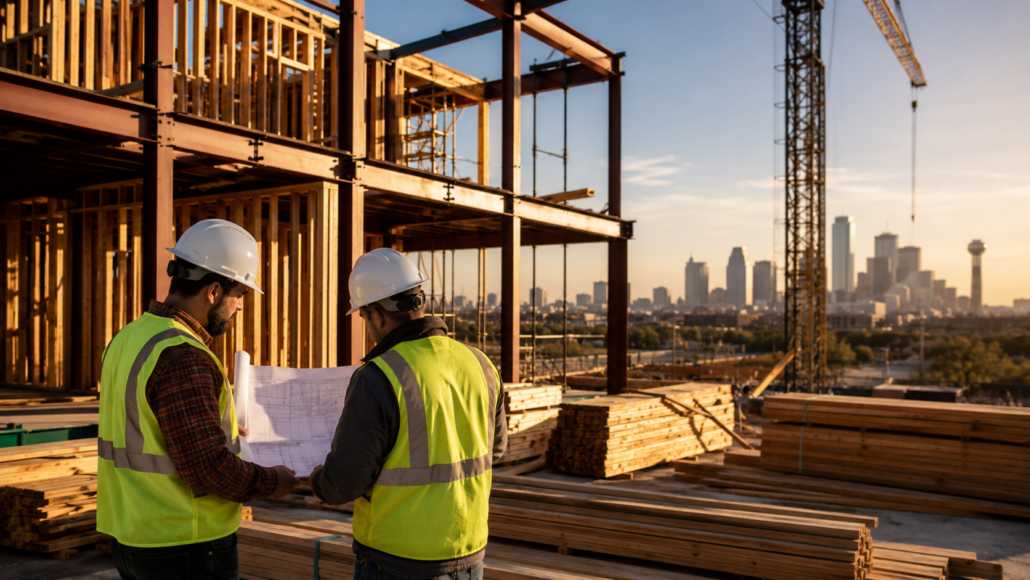
2026 DFW Construction Costs: What Tariffs and New Texas Laws Mean for Your Build
If you are planning a build, remodel, or development project in Dallas–Fort Worth this year, the ground has shifted under the entire industry. Two forces — a new wave of federal tariffs on building materials and a set of Texas laws reshaping how multi-family housing gets approved — are changing what projects cost and how fast they move. At Cinque Contracting, we work across all of it: new construction, remodeling, restoration, multi-family, and land development throughout DFW. Here is a clear-eyed look at where 2026 stands and how to protect your budget and your timeline.
Material Costs Are Climbing Again
After a couple of relatively stable years, construction input prices are rising fast. Nonresidential construction input prices surged at a 12.6 percent annualized rate over the first two months of 2026 — the steepest climb since the supply-chain disruptions of early 2022. The biggest driver is trade policy. As of spring 2026, steel, aluminum, and copper carry a 50 percent tariff, with derivative products of those metals at 25 percent. Equipment that incorporates them — transformers, panel boards, conduit — sits at 15 percent. Softwood lumber carries a 10 percent tariff, with lumber derivatives at 25 percent.
What does that mean on the ground in DFW? Structural steel is averaging north of $2,500 per ton, and mills are quoting lead times that stretch into late summer. Anything metal-heavy — a steel-framed commercial shell, a metal building, even the electrical infrastructure inside a standard home — is feeling the squeeze. Industry forecasters expect baseline cost escalation of 4 to 6 percent for the year, with sharper jumps in tariff-sensitive trades.
The practical takeaway for homeowners and developers is the same: price your project now, and lock in scope early. When material costs are moving this quickly, a bid that sits unsigned for six weeks is not the same bid anymore. Working with a general contractor who buys steadily across multiple projects — and who can sequence purchasing around lead times — is one of the most reliable ways to blunt the impact.
New Texas Laws Are Reshaping Multi-Family and Land Development
While materials get more expensive, the regulatory side just got friendlier for housing. Texas Senate Bill 840 and related legislation are reshaping where and how multi-family projects can be built. Under the new framework, mixed-use and multi-family residential developments can now be built in zoning districts that already allow office, commercial, retail, warehouse, or mixed-use projects — with only narrow exceptions.
For land developers and investors across Dallas and Fort Worth, this is significant. Cities are now barred from imposing many of the old hurdles on adaptive-reuse and conversion projects, including certain traffic studies and special-use permits when an existing building is being converted into housing. Fort Worth is currently drafting amendments to its Zoning Ordinance to align with the new state rules, with a City Council vote expected later in 2026.
This opens real opportunity. Underused retail strips, aging office buildings, and warehouse parcels that were effectively off-limits for housing are suddenly viable for multi-family or mixed-use conversion. But “easier zoning” does not mean “no process.” Impact fees still apply, code-compliance standards are tightening under Tarrant County’s enhanced enforcement, and building, zoning, and environmental permits are still required before a shovel hits dirt. The developers who win in this environment are the ones who engage a builder and the city early, before the deal is fully underwritten.
Permitting Still Sets Your Timeline
No matter the project size, permitting remains the most underestimated line item on a DFW schedule. In the City of Dallas, permit review can add four to eight weeks to the pre-construction phase. Across the surrounding municipalities, structural, electrical, or plumbing work typically adds two to six weeks depending on the jurisdiction. None of that is wasted time if you plan for it — but homeowners who expect to “start next week” on a kitchen addition are often surprised.
The fix is straightforward: build permitting into the calendar from day one, and choose a contractor who knows the local plan reviewers and submission requirements. A clean, complete submittal moves faster than one that bounces back for corrections.
Where Remodeling Demand Is Heading
On the residential side, DFW homeowners are spending — but spending smarter. The hottest 2026 remodeling projects remain kitchens and primary bathrooms. The theme this year is function over fashion: flexible spaces that adapt as families change, spa-inspired bathrooms, dedicated work and wellness areas, and durable, low-maintenance materials. Homeowners are renovating to improve how their homes actually live day to day, not just to chase a trend.
That shift rewards quality construction over quick cosmetic flips. Materials that last, layouts that flex, and craftsmanship that holds up are exactly where a full-scope general contractor earns its keep.
Building Smart in 2026
The headline for DFW in 2026 is a mix of pressure and opportunity. Materials cost more, so timing and procurement discipline matter more than ever. At the same time, new Texas housing laws are unlocking land and multi-family possibilities that did not exist two years ago, and homeowner demand for thoughtful, lasting renovation is strong. The projects that succeed this year will be the ones planned early, priced realistically, and built by a team that understands both the numbers and the local rules.
That is the work Cinque Contracting does every day across Dallas–Fort Worth — from ground-up new construction and multi-family development to remodeling and restoration. If you are weighing a project this year, the best move is to start the conversation now. Reach out to Cinque Contracting at constructdallas.com to talk through your build, your budget, and your timeline.


Leave a Reply
Want to join the discussion?Feel free to contribute!